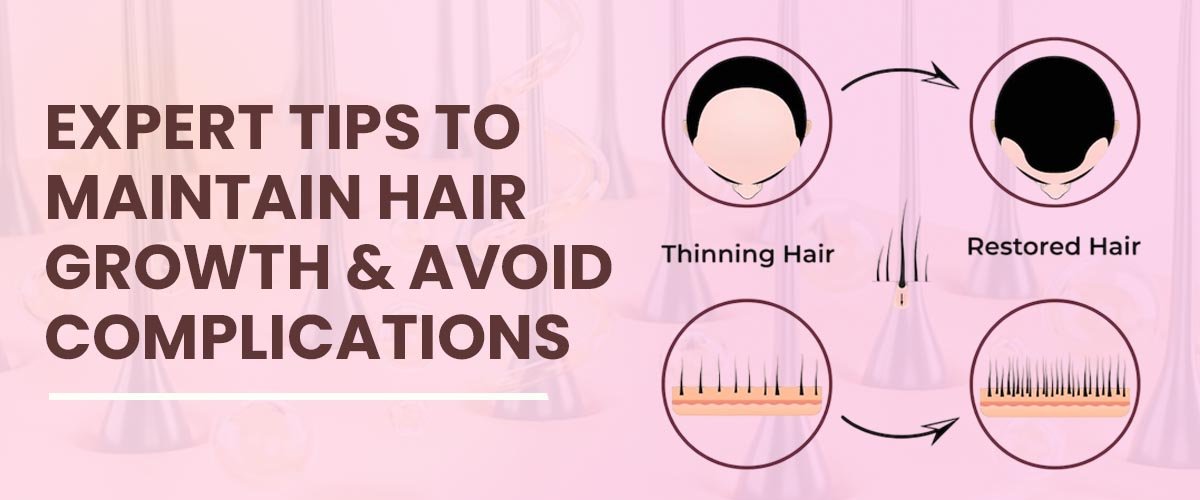
Tips to Maintain Hair Growth & Avoid Complications
Hair health is deeply connected to confidence, personality, and overall appearance. While many people try shampoos, oils, or home remedies to improve their hair, the truth is that long-term hair growth requires a deeper understanding of scalp health and scientifically proven treatments like Hair Transplant and PRP Therapy. According to Dr. Charu Sharma, one of Delhi’s leading cosmetic and hair transplant surgeons, maintaining healthy hair is a mix of proper care, nutrition, and when necessary, advanced medical intervention. With the right guidance, not only can you maintain strong hair, but you can also reverse thinning and baldness with safe and effective hair restoration procedures.
Understanding Hair Growth and Why Problems Occur
Hair grows in cycles, but factors like genetics, stress, hormonal imbalance, pollution, and nutritional deficiencies can disturb this cycle. This leads to slow hair growth, thinning, receding hairline, and patchy baldness. When the follicles become weak or inactive, topical solutions often fail to work. This is where modern hair restoration treatments like FUE Hair Transplant and PRP Therapy play a powerful role in restoring natural hair growth.
Provide Nutritional Support to Your Hair
Internal nourishment plays a significant role in maintaining hair growth. Even if you undergo a hair transplant, your body must continue supplying essential nutrients to support new follicle growth. A balanced diet rich in proteins, iron, zinc, omega-3 fatty acids, and vitamins helps strengthen the follicles. When your nutrition is in place, newly transplanted hair grows thicker, healthier, and stronger, giving you long-lasting results.
Keep Your Scalp Clean for Healthy Follicles
A healthy scalp is the foundation of successful hair growth. Dirt, excessive oil, and dandruff make the follicles weak and hinder growth. Regular cleansing ensures the follicles stay unclogged and active. For patients who have undergone a hair transplant, keeping the scalp clean as per the doctor’s instructions becomes even more important to avoid infections and complications. Following a gentle cleaning routine ensures that transplanted grafts remain healthy and grow naturally.
Avoid Harsh Styling and Excessive Heat
Heat styling and chemical treatments damage natural hair and slow down hair regeneration. After a hair transplant, these practices can also stress the newly transplanted follicles. Being gentle with your hair, avoiding tight hairstyles, and minimizing chemical exposure not only protect existing hair but also maintain transplant results for years.
Use Products That Support Hair Restoration
Choosing the wrong products can worsen hair fall and scalp irritation. After a hair restoration procedure, Dr. Charu Sharma recommends using only prescribed, mild products that support healing and growth. Special formulations help strengthen the roots, improve scalp health, and protect transplanted follicles. With the right products, your hair becomes stronger over time and maintains its natural shine.
Scalp Massage Helps—but Professional Treatments Help More
While scalp massages improve blood flow, they are often not enough to reverse hair thinning. For people with significant hair loss, treatments like PRP (Platelet-Rich Plasma) give far better results. PRP uses your body’s own growth factors to activate weak follicles and increase hair density. Many patients combine PRP sessions with Hair Transplant surgery to accelerate growth and achieve thicker, fuller hair naturally.
Manage Daily Stress to Maintain Hair Growth
Stress can cause sudden shedding and trigger hair thinning. When you take steps to reduce stress through lifestyle changes, you support natural hair growth as well as the results of hair transplant procedures. Patients who maintain a healthy routine after their transplant enjoy faster healing and better density.
Hydration Enhances Hair Texture and Growth
Water plays a major role in maintaining elasticity and nourishment in the hair. Proper hydration supports the healing process after a hair transplant and helps new grafts grow smoothly. Drinking enough water also improves the scalp’s natural balance, reducing dryness and breakage.
Avoid Self-Treatment—Choose Proven Medical Solutions
One of the biggest mistakes people make is trying random oils, steroid creams, or chemical-based products without medical advice. These quick fixes often worsen the condition and cause long-term damage. Instead, consulting a specialist like Dr. Charu Sharma helps you understand the real reason behind your hair loss and choose a treatment that actually works. Hair Transplant, PRP, and advanced scalp therapies are safe, scientific, and proven to give natural results without unnecessary risks.
Hair Transplant: The Most Effective Long-Term Solution
For individuals with severe hair thinning, bald patches, or receding hairlines, Hair Transplant is the most reliable and permanent solution. Dr. Charu Sharma specialises in advanced FUE Hair Transplant, which is minimally invasive, safe, and ensures natural hairline creation. The transplanted hair grows just like your natural hair and stays for a lifetime. Patients often combine PRP and medical hair therapy to enhance the results. With proper guidance and post-care, the success rate of hair transplant remains extremely high.
Follow Post-Procedure Care to Avoid Complications
A successful hair transplant doesn’t end with surgery—proper aftercare ensures the best results. Avoiding sun exposure, not scratching the scalp, sleeping with the head elevated, and following the recommended medication schedule are essential steps. When you follow these instructions carefully, you reduce the chances of complications and give your transplanted follicles the ideal environment to grow naturally.
Regular Check-Ups Ensure Long-Lasting Results
Monitoring your progress with your surgeon helps maintain hair growth long-term. Regular check-ups help detect any early issues, track new growth, and adjust supporting treatments like PRP or medications. This ensures your hair remains thick and healthy for years after the procedure.


